Mapping Journeys That Matter
We started with a simple question: what if walking routes could be more than point-to-point navigation?
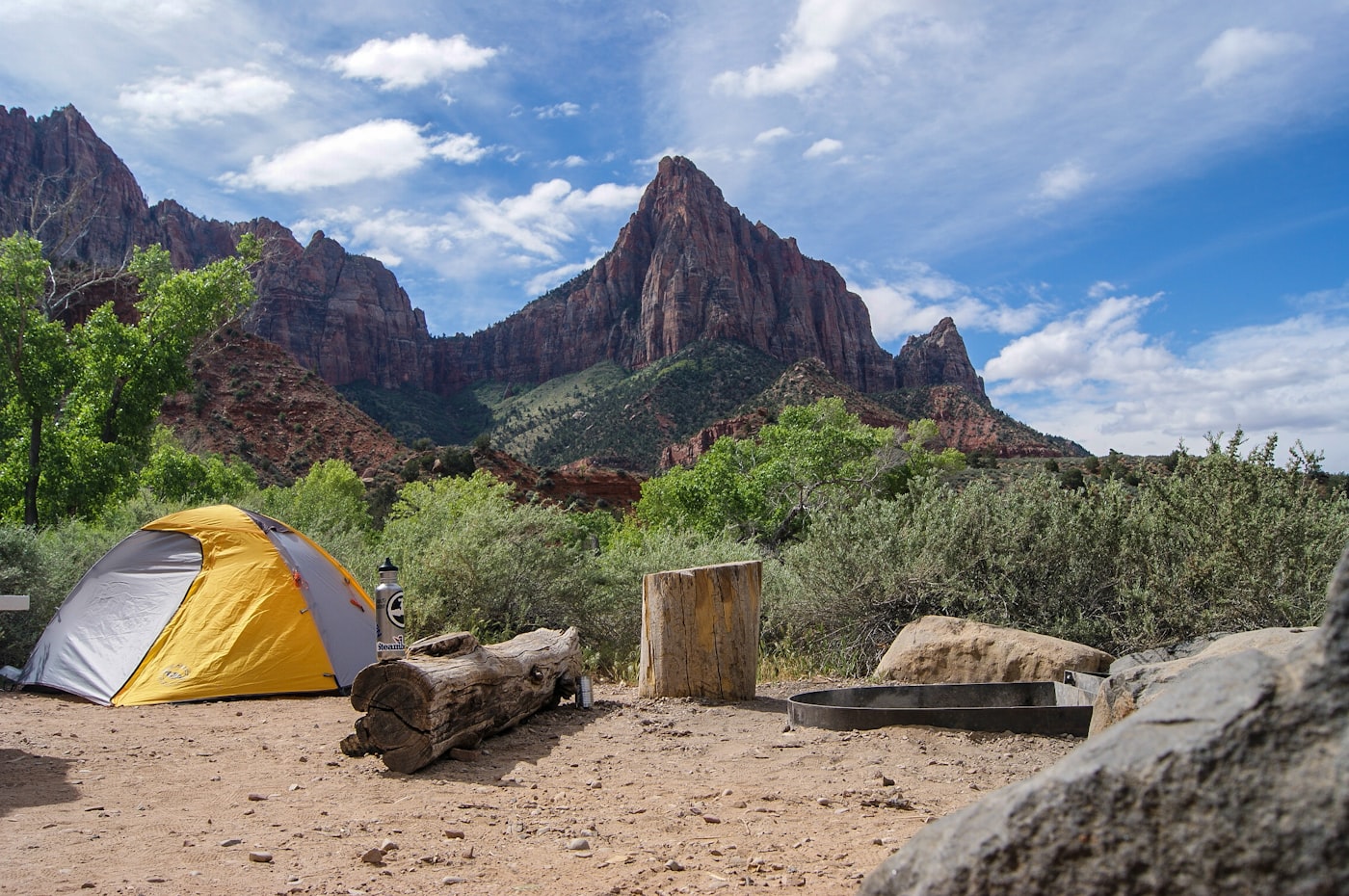
We started with a simple question: what if walking routes could be more than point-to-point navigation?
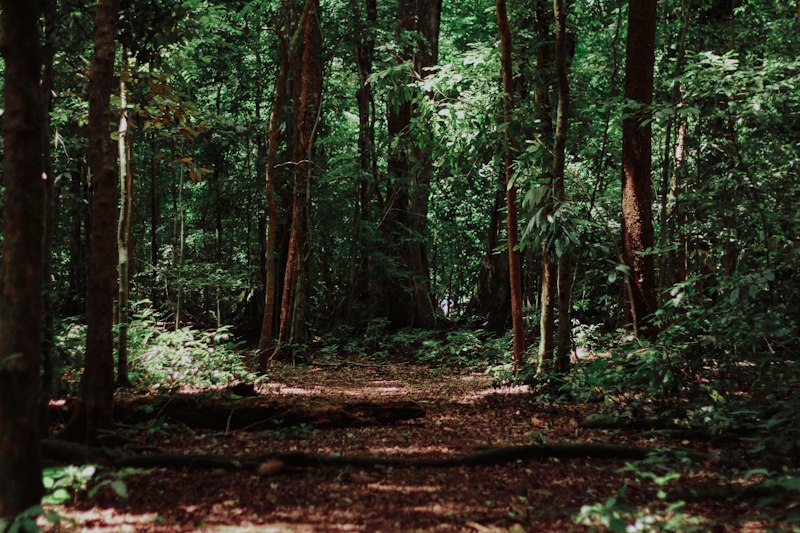
Each route begins with months of research. We walk every kilometre ourselves, noting terrain changes, water sources, shelter spots, and seasonal variations.
Then comes the layering of context. A geologist helps us understand why certain rocks form particular landscapes. A historian explains why that ruined cottage sits where it does. A botanist identifies the rare ferns growing in that north-facing gully.
What you receive isn't just a map. It's a guide to reading the landscape.
We only recommend routes we've personally completed. No shortcuts, no guesswork, no borrowed research.
Popular trails suffer from overuse. We actively seek alternatives that distribute foot traffic and protect fragile ecosystems.
Surface-level descriptions don't serve walkers. We dig into geology, ecology, and history to enrich every journey.
When a route is challenging, we say so clearly. Your safety depends on accurate difficulty ratings and honest terrain assessments.
Our team combines professional mountaineering instructors, conservation biologists, and cultural historians. Some of us grew up walking these hills. Others arrived later but committed to understanding them deeply.
What unites us is belief that walking, done thoughtfully, changes how you see the world. The landscape becomes readable. History stops being abstract dates and becomes visible in field patterns and stone walls.
We're not tour operators. We're route researchers who happen to share our findings with others who care about walking beyond mere exercise.

Multiple team members walk the proposed route in different seasons, noting variations and potential issues.
We consult local experts: farmers who know hidden paths, rangers who monitor wildlife, historians who can date structures.
Detailed notes are compiled, maps are refined, and alternative routes are identified for different conditions.
A fresh team member walks the route using only our documentation to identify gaps or unclear instructions.